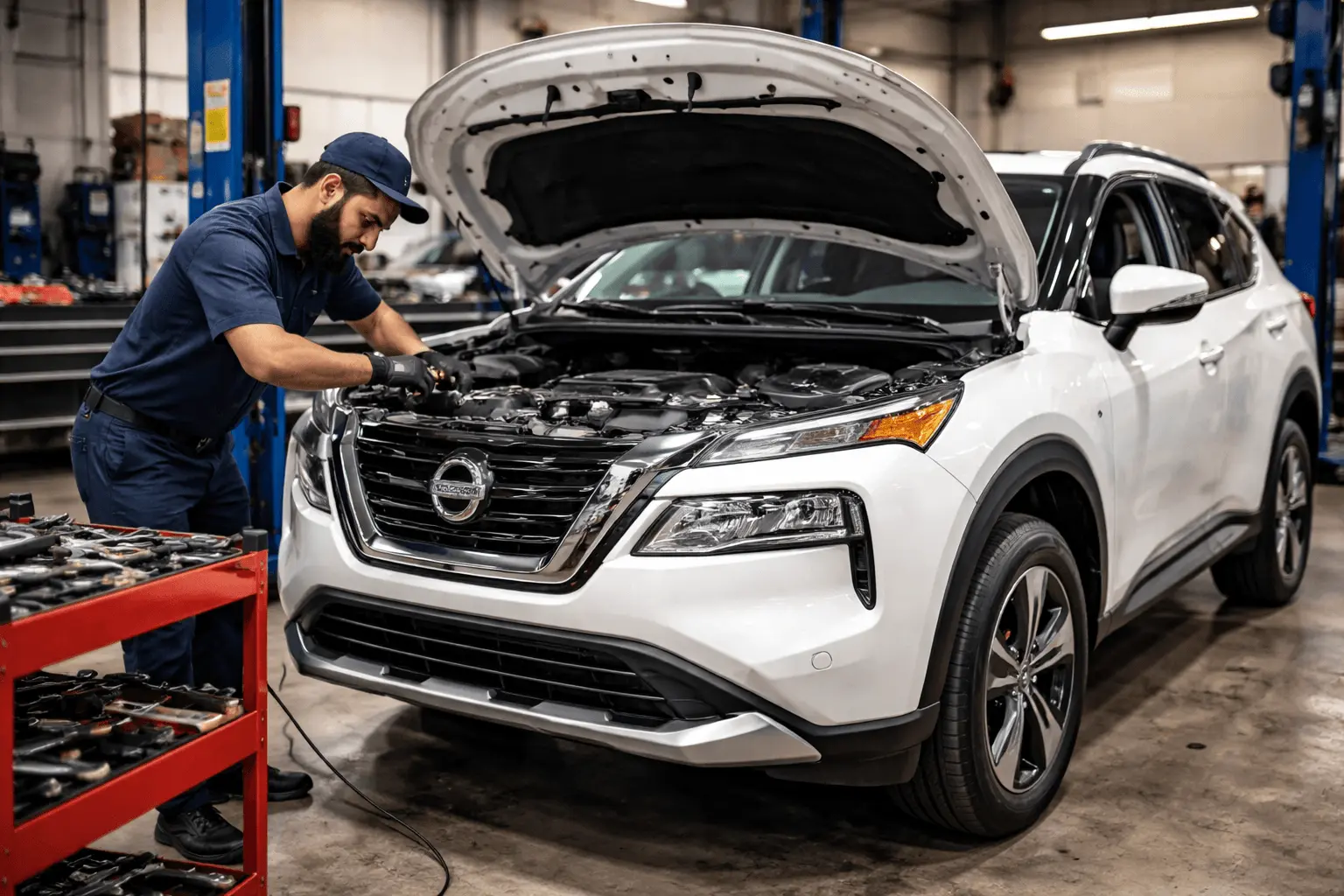

Most drivers know that regular servicing is important, but many are unsure about what actually happens when their vehicle is serviced. Some assume it’s simply an oil change, while others expect every component of the car to be dismantled and inspected.
In reality, a professional car service involves a series of inspections, maintenance tasks, and safety checks designed to keep your vehicle operating efficiently, safely, and reliably. Regular servicing helps identify developing issues before they become major problems, reducing the risk of breakdowns and costly repairs.
Whether you’re booking your first service or simply want a better understanding of the process, this guide explains exactly what happens during a car service?e and why routine maintenance matters.
Why Car Servicing Is Important
Every vehicle experiences wear and tear as it accumulates kilometres. Engine oil degrades, filters become dirty, fluids lose effectiveness, and components gradually wear with normal use.
A professional vehicle maintenance service helps ensure these systems continue functioning correctly by inspecting, servicing, and replacing items according to manufacturer recommendations.
Benefits of regular servicing include:
- Improved vehicle reliability
- Better fuel efficiency
- Reduced risk of breakdowns
- Enhanced safety
- Longer component lifespan
- Improved resale value
Routine servicing is one of the simplest ways to protect your investment and keep your vehicle performing at its best.
The Purpose of Routine Car Servicing:
The goal of routine car servicing is not just to fix existing problems. It is also designed to prevent future issues.
Many mechanical faults begin as small problems that are difficult to detect without a professional inspection. During a service, technicians can identify wear and deterioration before they lead to expensive repairs.
This preventative approach helps reduce long-term maintenance costs while improving reliability and safety.
Engine Oil and Oil Filter Replacement
One of the most common and important aspects of a car service is changing the engine oil and oil filter.
Engine oil plays a critical role by:
- Lubricating moving engine components
- Reducing friction
- Managing heat
- Removing contaminants
Over time, oil breaks down and becomes less effective.
Replacing the oil and filter helps maintain engine performance and protects internal components from premature wear.
For many vehicles, this is one of the most important tasks completed during routine servicing.
Fluid Level Checks and Top-Ups
Modern vehicles rely on several essential fluids to operate correctly.
During a service, technicians typically inspect:
Brake Fluid
Ensures safe braking performance.
Engine Coolant
Helps regulate engine temperature and prevent overheating.
Power Steering Fluid
Supports smooth steering operation where applicable.
Transmission Fluid
Protects transmission components and supports smooth gear changes.
Windscreen Washer Fluid
Maintains visibility and driving safety.
Checking and maintaining fluid levels forms an important part of ongoing car maintenance checks.
Air Filter Inspection and Replacement
The engine air filter prevents dirt and debris from entering the engine.
A clogged filter can restrict airflow, reducing engine efficiency and potentially affecting fuel economy.
Depending on its condition and the manufacturer’s recommendations, the filter may be cleaned or replaced during servicing.
Maintaining proper airflow helps support engine performance and efficiency.
Battery Inspection
Battery problems are one of the most common causes of vehicle breakdowns.
As part of a professional car inspection service, technicians often assess:
- Battery condition
- Terminal connections
- Charging system performance
- Voltage output
Early identification of battery issues can help prevent unexpected starting problems.
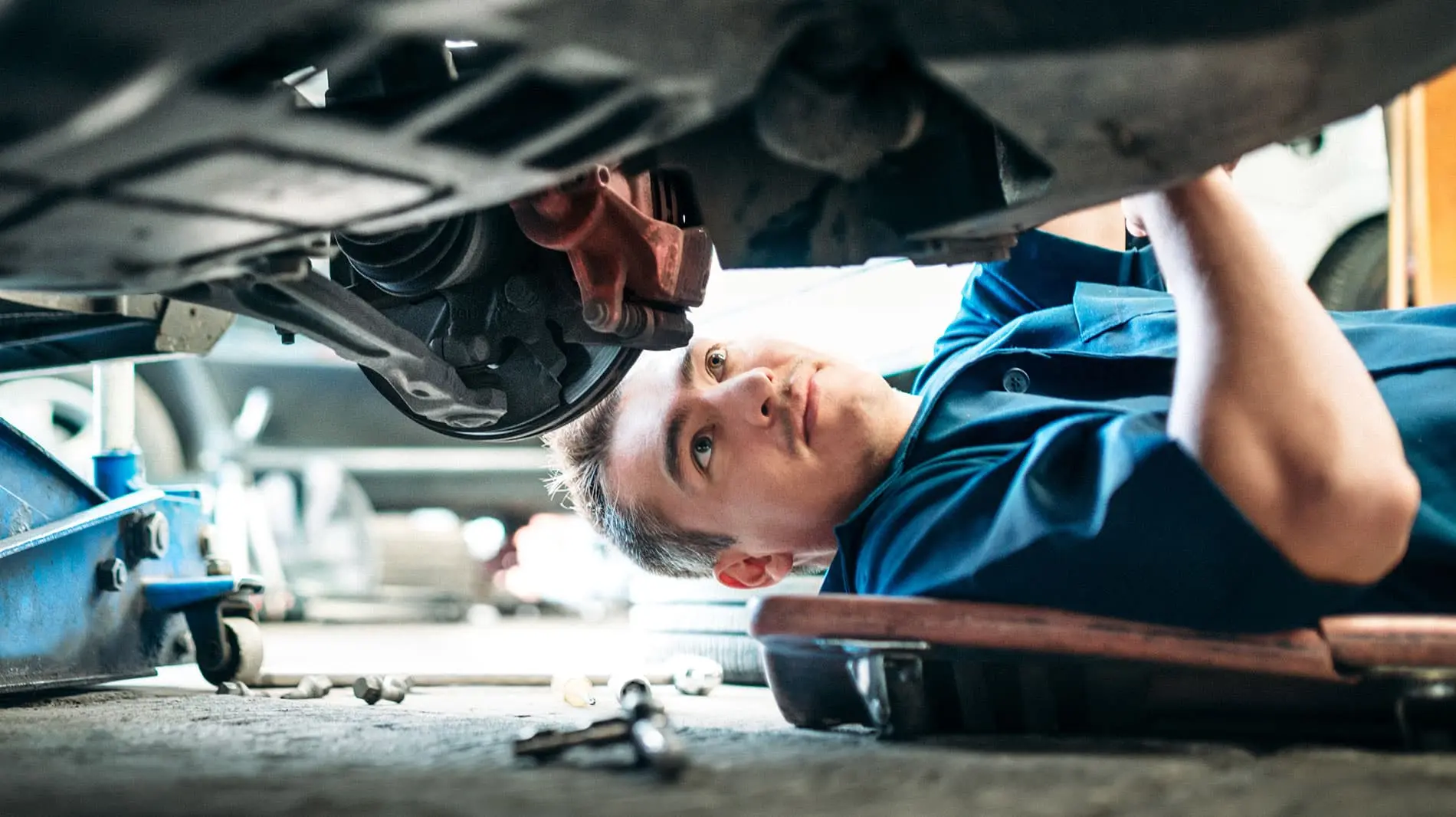
Brake System Inspection
Your braking system is one of the most important safety features on your vehicle.
Brake inspections often include checking:
- Brake pad thickness
- Rotor condition
- Brake fluid levels
- Brake lines
- Caliper operation
Identifying wear early can help prevent more extensive repairs and ensure safe stopping performance.
At Eddie The Mobile Mechanic, brake inspections form an important part of many routine service appointments.
Tyre Inspection and Pressure Checks
Tyres play a major role in vehicle safety, handling, and fuel efficiency.
During servicing, technicians typically inspect:
- Tread depth
- Tyre wear patterns
- Tyre pressure
- Visible damage
Uneven wear may indicate alignment or suspension issues that require further investigation.
Maintaining correctly inflated tyres can improve safety and extend tyre lifespan.
Steering and Suspension Checks
The steering and suspension systems contribute to vehicle control, comfort, and stability.
A service may include inspections of:
- Shock absorbers
- Suspension bushes
- Steering components
- Ball joints
- Linkages
These checks help identify wear that could affect handling or ride quality.
Lights and Electrical System Inspection
Vehicle lighting is essential for both visibility and road safety.
Technicians often inspect:
- Headlights
- Brake lights
- Indicators
- Reverse lights
- Interior lights
Electrical systems may also be checked to ensure components are functioning correctly.
Faulty lighting can create safety risks and may result in compliance issues.
Belts and Hoses Inspection
Engine belts and hoses experience constant exposure to heat, pressure, and vibration.
During a service, technicians may look for:
- Cracks
- Fraying
- Leaks
- Deterioration
Replacing worn components before failure occurs can help avoid breakdowns and expensive repairs.
Diagnostic Scanning
Many modern vehicles are equipped with sophisticated electronic control systems.
Diagnostic tools can identify hidden issues that may not be immediately obvious during a visual inspection.
Scanning may reveal:
- Sensor faults
- Engine management issues
- ABS concerns
- Electrical system warnings
Early diagnosis often helps prevent more serious mechanical problems later.
Safety Checks and Roadworthiness Assessments
A comprehensive car inspection service often includes general safety checks to assess the vehicle’s overall condition.
Areas inspected may include:
- Braking performance
- Steering response
- Suspension condition
- Tyre safety
- Fluid leaks
- Underbody components
These inspections help ensure the vehicle remains safe and roadworthy.
Minor Service vs Major Service
Not all car services are the same.
Minor Service
Typically includes:
- Engine oil replacement
- Oil filter replacement
- Basic inspections
- Fluid checks
Major Service
A major service generally includes additional tasks such as:
- Air filter replacement
- Spark plug replacement
- More extensive inspections
- Manufacturer-specific maintenance items
The exact requirements vary depending on the vehicle and service schedule.
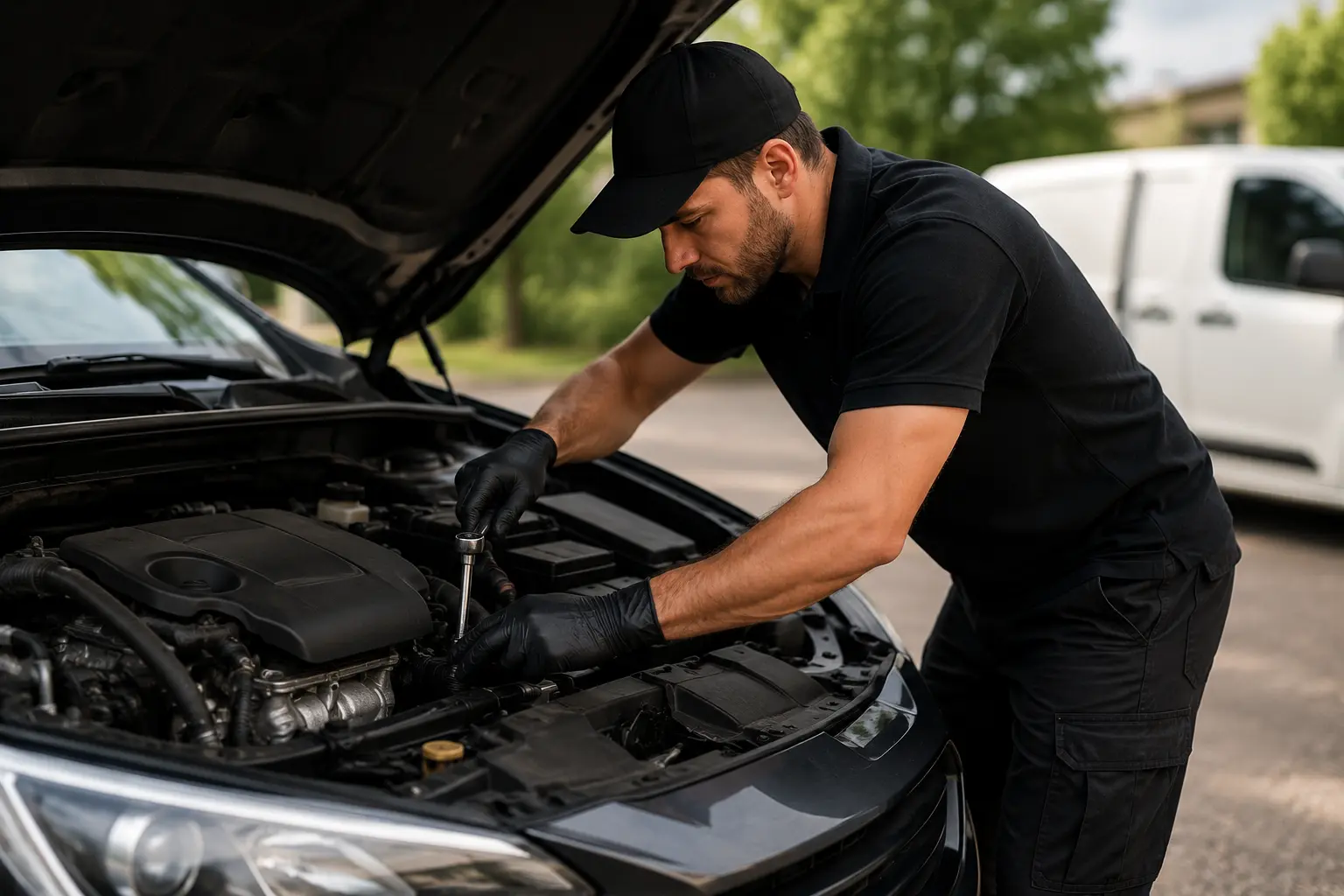
The Convenience of Mobile Car Servicing
Many people delay servicing because they struggle to find time to visit a workshop.
A mobile car service offers a convenient alternative by bringing professional servicing directly to your home or workplace.
Instead of disrupting your day, qualified technicians can complete many routine maintenance tasks at a location that suits you.
At Eddie The Mobile Mechanic, we provide convenient mobile servicing solutions that help vehicle owners stay on top of their maintenance requirements without the inconvenience of travelling to a workshop.
How Often Should a Car Be Serviced?
Service intervals vary depending on the vehicle and manufacturer recommendations.
Common intervals include:
- Every 10,000 kilometres
- Every 15,000 kilometres
- Every 12 months
Following the manufacturer’s schedule helps ensure maintenance is completed at the appropriate time and supports long-term reliability.
Conclusion:
So, what happens during a car service?
A professional service involves far more than simply changing the oil. From fluid checks and brake inspections to tyre assessments and diagnostic testing, a comprehensive vehicle maintenance service helps ensure your car remains safe, efficient, and reliable.
Whether you require a car service Melbourne, ongoing routine car servicing, or a convenient mobile car service, regular maintenance plays a crucial role in preventing breakdowns and reducing long-term repair costs.
At Eddie The Mobile Mechanic, we help drivers maintain their vehicles through professional servicing, thorough inspections, and expert maintenance advice. Staying proactive with regular servicing is one of the best ways to protect your vehicle and enjoy greater peace of mind on the road.
Frequently Asked Questions?
What is included in a standard car service?
How long does a car service take?
Why is routine car servicing important?
Can a mobile mechanic perform a full car service?
How often should I book a vehicle maintenance service?
Book Your Service Online
Booking your service is quick and hassle-free. Share your details and our mobile mechanic will reach out to schedule a convenient time and get your car back on the road without delay.
0490 093 242
Call Us
Info@eddiethemobilemechanic.com.au
Send Email
All Suburbs in Melbourne
Address