
Buying a second-hand car can be a smart financial decision. Used vehicles are often significantly more affordable than new models, and many provide years of reliable service when properly maintained. However, purchasing a used car also comes with risks that buyers should not overlook.
Unlike a new vehicle, a used car has a history. It may have been involved in accidents, poorly maintained, subjected to heavy use, or developed hidden mechanical issues that are not immediately obvious during a quick inspection. Unfortunately, many buyers only discover these problems after the purchase has been completed.
This is why taking the time to perform thorough checks before buying is essential. Whether you’re purchasing from a dealership, private seller, or online marketplace, understanding what to look for can help you avoid expensive surprises and make a more informed decision.
Start With Research Before Viewing the Vehicle
Before inspecting any vehicle, spend time researching the make and model you are considering.
Different vehicles have different strengths and weaknesses. Some models are known for reliability, while others may have recurring issues involving:
- Transmission systems
- Engine components
- Electrical systems
- Suspension parts
- Cooling systems
Researching owner reviews, reliability reports, and common faults can provide valuable insight into potential concerns before you even inspect the vehicle.
One of the most overlooked second-hand car buying tips is understanding the vehicle’s reputation before arranging a viewing.
Set a Realistic Budget
Many buyers focus only on the purchase price without considering future ownership costs.
When establishing your budget, account for:
- Registration costs
- Insurance premiums
- Fuel expenses
- Routine servicing
- Tyre replacement
- Unexpected repairs
A vehicle that appears inexpensive initially may become expensive if maintenance costs are high.
It’s often better to purchase a well-maintained vehicle at a slightly higher price than a cheaper car with hidden issues.
Review the Vehicle's Service History
Service records provide important clues about how a vehicle has been maintained.
A complete service history may indicate:
- Regular servicing
- Scheduled maintenance
- Previous repairs
- Responsible ownership
While missing records do not automatically mean a vehicle is problematic, they can make it more difficult to verify its maintenance history.
Ask for:
- Logbooks
- Service invoices
- Maintenance records
- Repair documentation
A consistent service history generally offers greater confidence than a vehicle with little or no documentation.
Inspect the Vehicle’s Exterior Carefully
The vehicle’s exterior can reveal important information about its condition and history.
During your inspection, look for:
Uneven Paintwork
Different paint shades may indicate previous accident repairs.
Panel Alignment Issues
Misaligned panels can suggest collision damage or poor-quality repairs.
Rust
Inspect:
- Wheel arches
- Door sills
- Underbody areas
- Boot edges
Rust can be costly to repair and may affect structural integrity.
Scratches and Dents
Minor cosmetic damage is common, but extensive damage may indicate poor care or previous incidents.
A careful visual inspection forms an important part of any used car checklist.
Check the Interior Condition
The interior often provides insight into how the vehicle has been treated by previous owners.
Look for:
- Excessive seat wear
- Torn upholstery
- Damaged controls
- Broken switches
- Water damage
- Unusual odours
Excessive wear may not always match the vehicle’s reported mileage and could indicate heavier use than expected.
Make sure all electronic features operate correctly, including:
- Air conditioning
- Power windows
- Central locking
- Infotainment systems
- Dashboard controls
Be Alert for Common Used Vehicle Problems:
Many mechanical issues remain hidden until a professional inspection is performed.
However, buyers should remain alert for warning signs such as:
- Oil leaks
- Coolant leaks
- Excessive exhaust smoke
- Unusual engine noises
- Rough idling
- Difficulty starting
These are some of the most common used vehicle problems that can result in expensive repairs after purchase.
If anything seems unusual, further investigation is always worthwhile.
Examine the Tyres
Tyres provide valuable information about a vehicle’s overall condition.
Check for:
- Uneven tread wear
- Low tread depth
- Cracks or damage
- Mismatched tyre brands
Uneven wear patterns may indicate:
- Alignment problems
- Suspension issues
- Steering concerns
Tyre replacement can be expensive, particularly if multiple tyres require replacement shortly after purchase.
Take a Proper Test Drive
A thorough test drive is one of the most important steps in evaluating a used vehicle.
Avoid limiting the drive to a short trip around local streets.
Instead, test the vehicle under various conditions including:
- Low-speed driving
- Higher-speed roads
- Braking situations
- Cornering
- Parking manoeuvres
During the drive, pay attention to:
- Engine performance
- Gear changes
- Brake responsiveness
- Steering feel
- Vibrations
- Unusual noises
The test drive often reveals issues that are not apparent when the vehicle is stationary.
Verify Vehicle Documentation
Always confirm that the documentation matches the vehicle being sold.
Check:
- Registration details
- Vehicle identification number (VIN)
- Engine number
- Ownership information
Any discrepancies should be investigated before proceeding.
Accurate documentation helps ensure a smoother ownership transfer and reduces the risk of future complications.
Don’t Ignore Accident History
Previous accident damage is one of the biggest concerns when buying a used vehicle.
Even if repairs appear professional, structural damage may still exist.
Potential warning signs include:
- Paint inconsistencies
- Uneven panel gaps
- Signs of welding
- Replacement body panels
- Misaligned components
A professional inspection can often identify evidence of previous repairs that may not be obvious to buyers.
Why a Pre-Purchase Inspection Is Essential?
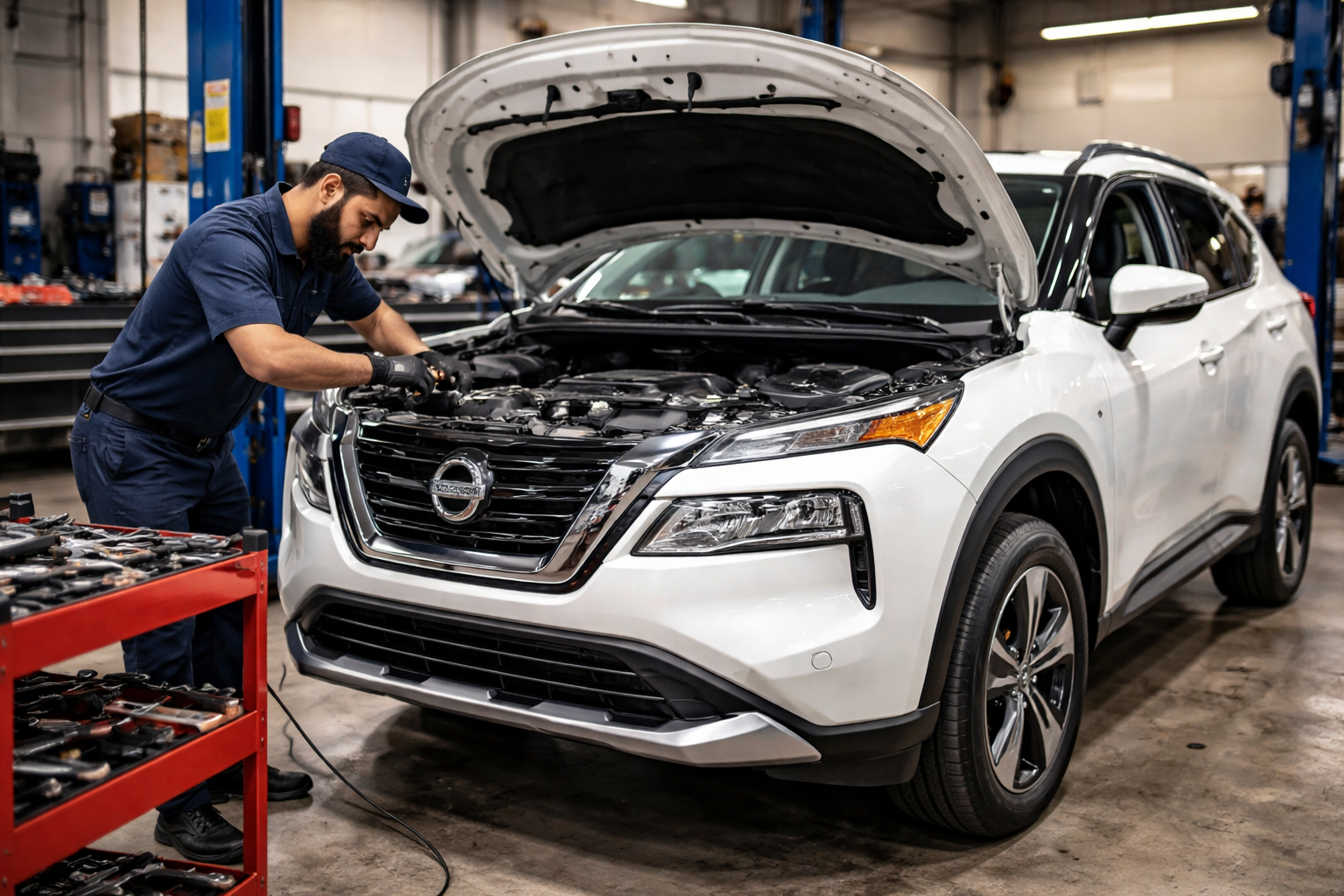
Perhaps the most important item on any vehicle inspection guide is arranging a professional pre-purchase inspection.
Many mechanical and structural issues cannot be identified through a visual inspection alone.
A qualified mechanic can assess:
- Engine condition
- Brake system
- Suspension components
- Steering systems
- Electrical systems
- Signs of accident repairs
- Overall vehicle condition
This independent assessment provides valuable information that can help buyers avoid expensive mistakes.
The cost of an inspection is often insignificant compared with the potential cost of major repairs discovered after purchase.
Consider Future Maintenance Requirements:
Before buying, consider the vehicle’s future servicing needs.
Ask yourself:
- Are parts readily available?
- Are maintenance costs reasonable?
- Does the vehicle have known reliability concerns?
- Will future servicing fit within your budget?
A vehicle that is affordable to purchase but expensive to maintain may not represent the best long-term value.
Avoid Buying Based on Emotion
Many buyers become emotionally attached to a vehicle before completing proper checks.
This can lead to overlooking important warning signs.
Remember:
- A clean appearance does not guarantee reliability.
- A friendly seller does not guarantee honesty.
- A low price does not always represent value.
Making decisions based on facts rather than emotions helps reduce purchasing risks.
How Eddie The Mobile Mechanic Can Help?
At Eddie The Mobile Mechanic, we regularly assist buyers who want an independent assessment before purchasing a used vehicle.
Our inspection services help identify mechanical issues, accident damage, and potential repair concerns that may not be obvious during a casual inspection. By providing a professional evaluation, we help buyers make more informed decisions and reduce the likelihood of unexpected repair costs after purchase.
Whether you’re considering a family vehicle, commuter car, SUV, or work vehicle, a professional inspection can provide valuable peace of mind.
Conclusion:
Buying a used vehicle can be a fantastic way to save money, but only when the right checks are completed beforehand. Hidden defects, accident damage, poor maintenance history, and mechanical issues can quickly transform what appears to be a good deal into an expensive problem.
By following a thorough used car checklist, researching the vehicle carefully, reviewing service records, conducting a detailed inspection, and arranging a professional pre-purchase inspection, buyers can significantly reduce their risk and make more confident purchasing decisions.
At Eddie The Mobile Mechanic, we help vehicle buyers gain a clearer understanding of a car’s true condition before committing to a purchase. Taking the time to investigate properly today could save you thousands of dollars and considerable stress in the future.
Frequently Asked Questions?
What is the most important thing to check when buying a used car?
Should I always request service records?
Is a test drive enough to assess a used car?
What are common used vehicle problems buyers should watch for?
Is a pre-purchase inspection worth the cost?
Book Your Service Online
Booking your service is quick and hassle-free. Share your details and our mobile mechanic will reach out to schedule a convenient time and get your car back on the road without delay.
0490 093 242
Call Us
Info@eddiethemobilemechanic.com.au
Send Email
All Suburbs in Melbourne
Address