
Buying a used vehicle can be an excellent way to save money, but it can also expose buyers to risks that are rarely encountered when purchasing a new car. While many sellers are genuine and transparent, the used car market unfortunately attracts individuals who use deceptive tactics to maximise profits at the expense of unsuspecting buyers.
For first-time buyers and even experienced motorists, recognising the warning signs of used car scams is essential. Fraudulent sellers often go to great lengths to hide mechanical issues, conceal accident damage, alter vehicle histories, or misrepresent a car’s condition.
Without proper checks, buyers may unknowingly purchase a vehicle that requires costly repairs, has a questionable history, or is worth significantly less than the advertised price.
Understanding the most common scams can help you avoid becoming a victim and make more informed purchasing decisions.
Why Used Car Scams Are So Effective
Many scams work because buyers naturally focus on visible factors such as:
- Price
- Appearance
- Mileage
- Features
- Vehicle presentation
Scammers understand this and often invest considerable effort into making a vehicle appear more attractive than it really is.
A freshly detailed vehicle, convincing paperwork, and a friendly seller can create a false sense of confidence that discourages buyers from conducting proper inspections.
Unfortunately, many problems remain hidden until after the sale has been completed.
Odometer Fraud
One of the most common forms of second-hand vehicle fraud is odometer manipulation.
What Is Odometer Fraud?
Odometer fraud occurs when the vehicle’s recorded mileage is altered to make it appear that the car has travelled fewer kilometres than it actually has.
Lower mileage often increases a vehicle’s perceived value and makes it easier to sell.
For example:
- A vehicle with 180,000 kilometres may be altered to display 110,000 kilometres.
- A high-mileage work vehicle may be presented as a lightly used family car.
Why It Matters?
Vehicle wear is closely linked to mileage.
When mileage is falsely reduced, buyers may unknowingly pay more than the vehicle is worth while also underestimating future maintenance requirements.
Warning Signs
Potential indicators include:
- Excessive wear on pedals
- Worn steering wheels
- Heavily worn driver’s seats
- Inconsistent service records
- Mileage discrepancies in documentation
A professional inspection and history check can often help identify concerns.
Fake Service History
A complete service history is often viewed as evidence that a vehicle has been properly maintained.
Unfortunately, some sellers create or alter records to present a more favourable picture.
How Fake Service History Works?
Examples may include:
- Forged invoices
- Fabricated maintenance records
- Altered service books
- Missing service intervals disguised as completed services
This type of fake service history can make neglected vehicles appear well maintained.
Why Buyers Should Be Careful?
Without accurate records, it becomes difficult to verify:
- Oil change intervals
- Timing belt replacement
- Brake maintenance
- Major repairs
- Manufacturer servicing compliance
Always review documentation carefully and look for consistency between dates, kilometre readings, and service providers.
Hidden Accident Damage
One of the most expensive problems buyers encounter involves purchasing vehicles with undisclosed accident histories.
How Sellers Hide Accident Damage?
Vehicles that have been involved in collisions are often repaired before being offered for sale.
While some repairs are completed professionally, others may be cosmetic fixes designed to conceal structural problems.
Sellers may attempt to disguise:
- Chassis damage
- Panel replacement
- Structural repairs
- Poor-quality bodywork
Signs to Watch For
Potential warning signs include:
- Uneven panel gaps
- Paint colour differences
- Overspray on trims
- Misaligned doors
- Welding marks
Many damaged used cars appear perfectly acceptable during casual inspections, making professional assessments particularly important.
Concealing Mechanical Problems
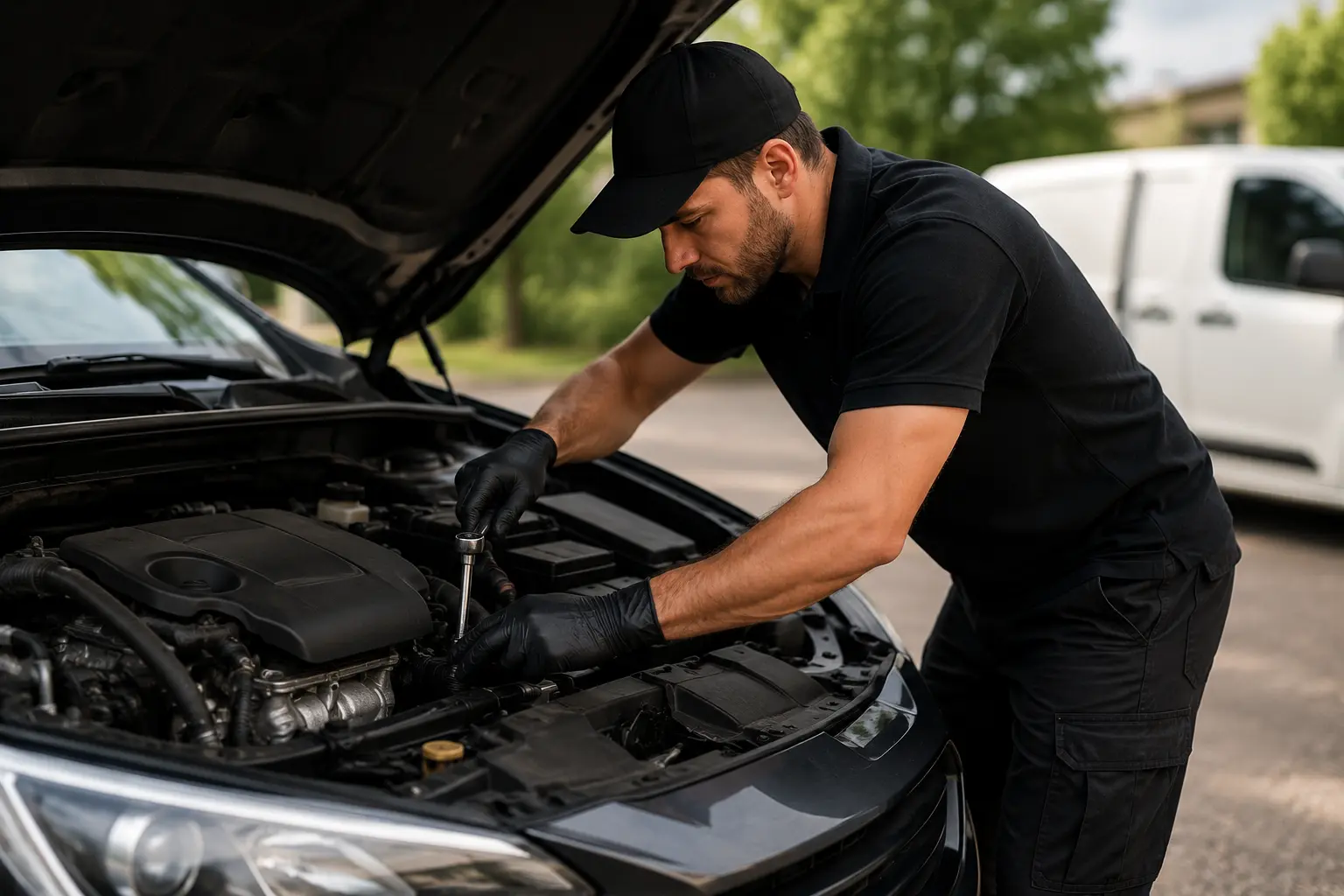
Some sellers intentionally hide faults to make a vehicle seem healthier than it really is.
Common Tactics
Examples include:
- Using thick oil to reduce engine noise
- Clearing fault codes before inspections
- Temporarily fixing leaks
- Hiding warning lights
- Cleaning engine bays to conceal fluid leaks
The vehicle may appear to operate normally during a short test drive but develop significant problems soon afterwards.
Why This Is Dangerous?
Mechanical repairs involving:
- Engines
- Transmissions
- Cooling systems
- Suspension components
can cost thousands of dollars.
Identifying these issues before purchase is critical.
Clocking and Mileage Discrepancies in Imported Vehicles
Imported vehicles sometimes present unique risks.
Mileage records from overseas markets may not always be easily verified, creating opportunities for fraud.
In some cases:
- Odometers may have been altered before importation.
- Historical records may be incomplete.
- Previous ownership information may be difficult to confirm.
Buyers should exercise additional caution when purchasing imported vehicles and ensure comprehensive history checks are completed.
Title Washing and Vehicle History Manipulation
Some sellers attempt to conceal important aspects of a vehicle’s history.
This may involve hiding information relating to:
- Previous write-offs
- Flood damage
- Insurance claims
- Salvage status
The goal is to remove information that could negatively affect the vehicle’s value or desirability.
History reports can help identify inconsistencies that may not be disclosed by the seller.
Fake Online Listings
Online marketplaces have created new opportunities for scammers.
Common Listing Scams
Examples include:
- Vehicles advertised at unrealistically low prices
- Sellers requesting deposits before inspections
- Fake vehicle listings using stolen photographs
- Sellers claiming to be overseas and unable to meet
Warning Signs
Be cautious if:
- The price appears far below market value.
- The seller refuses inspections.
- Payment is requested before viewing.
- Communication seems unusually vague.
Legitimate sellers are generally willing to answer questions and arrange inspections.
VIN Tampering
Every vehicle has a unique Vehicle Identification Number (VIN).
Fraudsters may attempt to alter or conceal VIN information to hide:
- Theft history
- Accident history
- Ownership issues
Buyers should ensure VIN numbers match:
- Registration documents
- Vehicle records
- Compliance plates
Any inconsistencies should be investigated immediately.
Flood-Damaged Vehicles
Flood-damaged vehicles can be particularly problematic because water damage often affects electrical systems long after repairs appear complete.
Signs of Flood Damage
Potential indicators include:
- Musty odours
- Water stains
- Corrosion under seats
- Rust in unusual areas
- Electrical malfunctions
Flood damage can create ongoing reliability issues that are expensive and difficult to repair.
The Importance of a Professional Inspection:
Many scams rely on buyers overlooking issues that are difficult to identify without mechanical expertise.
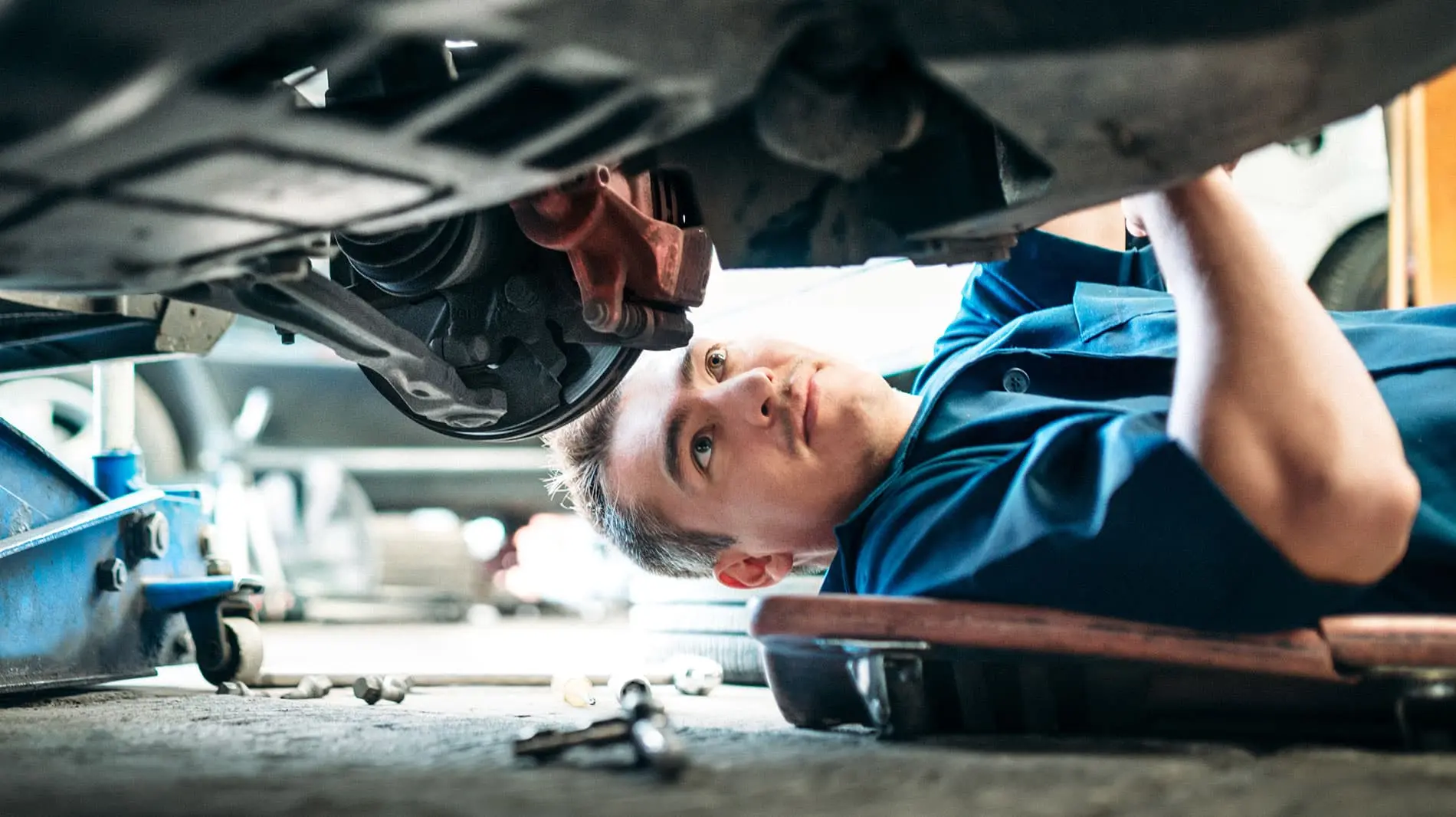
A professional inspection can help uncover:
- Accident damage
- Mechanical faults
- Hidden leaks
- Brake wear
- Suspension issues
- Electrical problems
- Signs of tampering
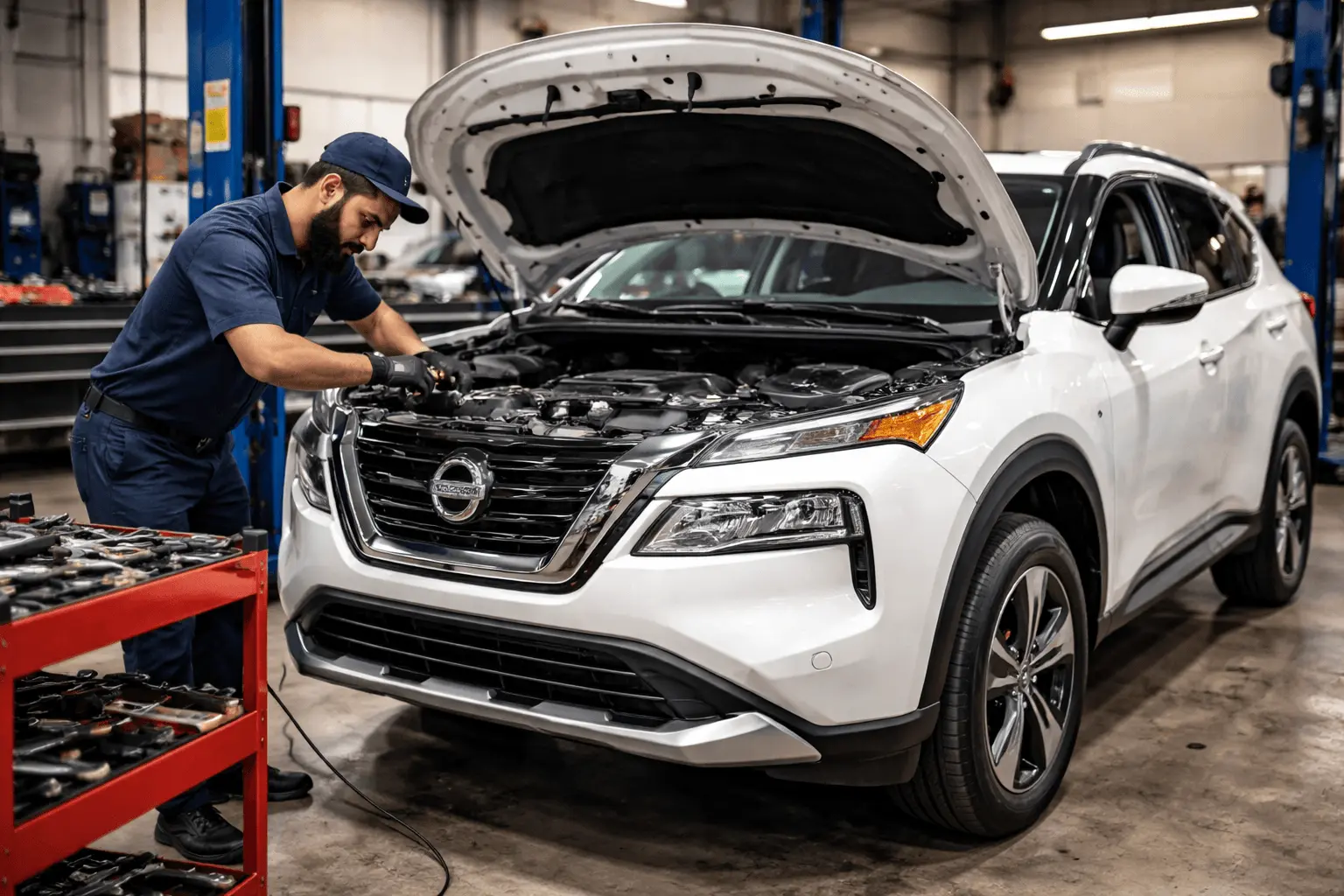
At Eddie The Mobile Mechanic, we regularly inspect vehicles that appear well maintained on the surface but reveal significant concerns during a detailed assessment.
An independent inspection provides valuable information that helps buyers make more informed decisions before purchasing.
How to Protect Yourself When Buying a Used Car?
Reducing the risk of fraud requires a combination of research, caution, and professional assistance.
Some practical steps include:
Verify Documentation
Review:
- Registration records
- Service history
- Ownership details
Conduct Vehicle History Checks
History reports can reveal information about accidents, finance, and ownership.
Inspect the Vehicle Carefully
Never rely solely on photographs or advertisements.
Arrange an Independent Inspection
A professional mechanic can identify concerns that buyers often miss.
Be Wary of Unrealistic Deals
If the price appears too good to be true, further investigation is usually warranted.
How Eddie The Mobile Mechanic Helps Buyers Avoid Scams
At Eddie The Mobile Mechanic, we understand that many buyers lack the technical knowledge needed to identify hidden vehicle issues.
Our pre-purchase inspections provide an independent assessment of the vehicle’s condition, helping buyers identify mechanical concerns, accident damage, and other warning signs before committing to a purchase.
This additional layer of protection can significantly reduce the risk of purchasing a vehicle with undisclosed problems.
Conclusion:
The used car market offers excellent opportunities for buyers, but it also contains risks that should never be ignored. From odometer fraud and fake service history to hidden accident damage and other forms of second-hand vehicle fraud, scammers use a variety of tactics to make problematic vehicles appear more valuable than they truly are.
Understanding these common used car scams is one of the most effective ways to protect yourself from financial loss. By conducting proper research, reviewing documentation carefully, arranging vehicle history checks, and obtaining a professional inspection, buyers can significantly reduce the risk of purchasing a problematic vehicle.
At Eddie The Mobile Mechanic, we help buyers make informed decisions through thorough inspections designed to uncover hidden concerns before money changes hands. A little caution before purchase can save thousands of dollars and countless frustrations later.
Frequently Asked Questions?
What is the most common used car scam?
How can I spot fake service history?
Can a mechanic detect hidden accident damage?
Are online used car listings always trustworthy?
Is a pre-purchase inspection worth it?
Book Your Service Online
Booking your service is quick and hassle-free. Share your details and our mobile mechanic will reach out to schedule a convenient time and get your car back on the road without delay.
0490 093 242
Call Us
Info@eddiethemobilemechanic.com.au
Send Email
All Suburbs in Melbourne
Address