
Your vehicle’s brakes are one of its most important safety systems. Every time you slow down, stop at an intersection, or avoid a potential collision, your brakes play a critical role in keeping you and others safe on the road.
Unfortunately, many drivers ignore early brake warning signs because the vehicle still seems drivable. A slight squeal, a soft brake pedal, or minor vibrations may not appear urgent at first. However, brake problems rarely fix themselves. In most cases, they gradually worsen until they become expensive, dangerous, and potentially life-threatening.
Delaying brake repairs can affect your ability to stop safely, increase repair costs, and even leave your vehicle unsafe to drive. Understanding the risks of postponing brake maintenance can help you protect your safety and avoid unnecessary expenses.
Why Drivers Often Delay Brake Repairs?
Brake issues often develop gradually, making them easy to overlook.
Many drivers postpone repairs because:
- The vehicle still stops normally
- The symptoms seem minor
- They want to avoid repair costs
- They are too busy to arrange an inspection
- The problem appears inconsistent
Unfortunately, what begins as a small issue can quickly develop into a serious safety concern.
Brake Pads Continue to Wear Down
Brake pads are designed to wear over time.
When the pads become thin, they produce warning signs such as:
- Squealing noises
- Screeching sounds
- Reduced braking performance
If worn brake pads are not replaced promptly, the friction material can wear away completely.
At this point, metal components begin grinding against the brake rotors, causing significantly more damage and increasing repair costs.
Stopping Distances Become Longer
One of the most dangerous consequences of delaying brake repairs is reduced stopping power.
As brake components wear, your vehicle may require more distance to come to a complete stop.
Longer stopping distances can become critical during situations such as:
- Heavy traffic
- Emergency braking
- Wet road conditions
- School zones
- Busy intersections
Even a small reduction in braking efficiency can increase the risk of an accident.
Minor Brake Problems Become Major Repairs
Brake systems contain multiple components that work together.
A problem affecting one component often places additional strain on others.
For example:
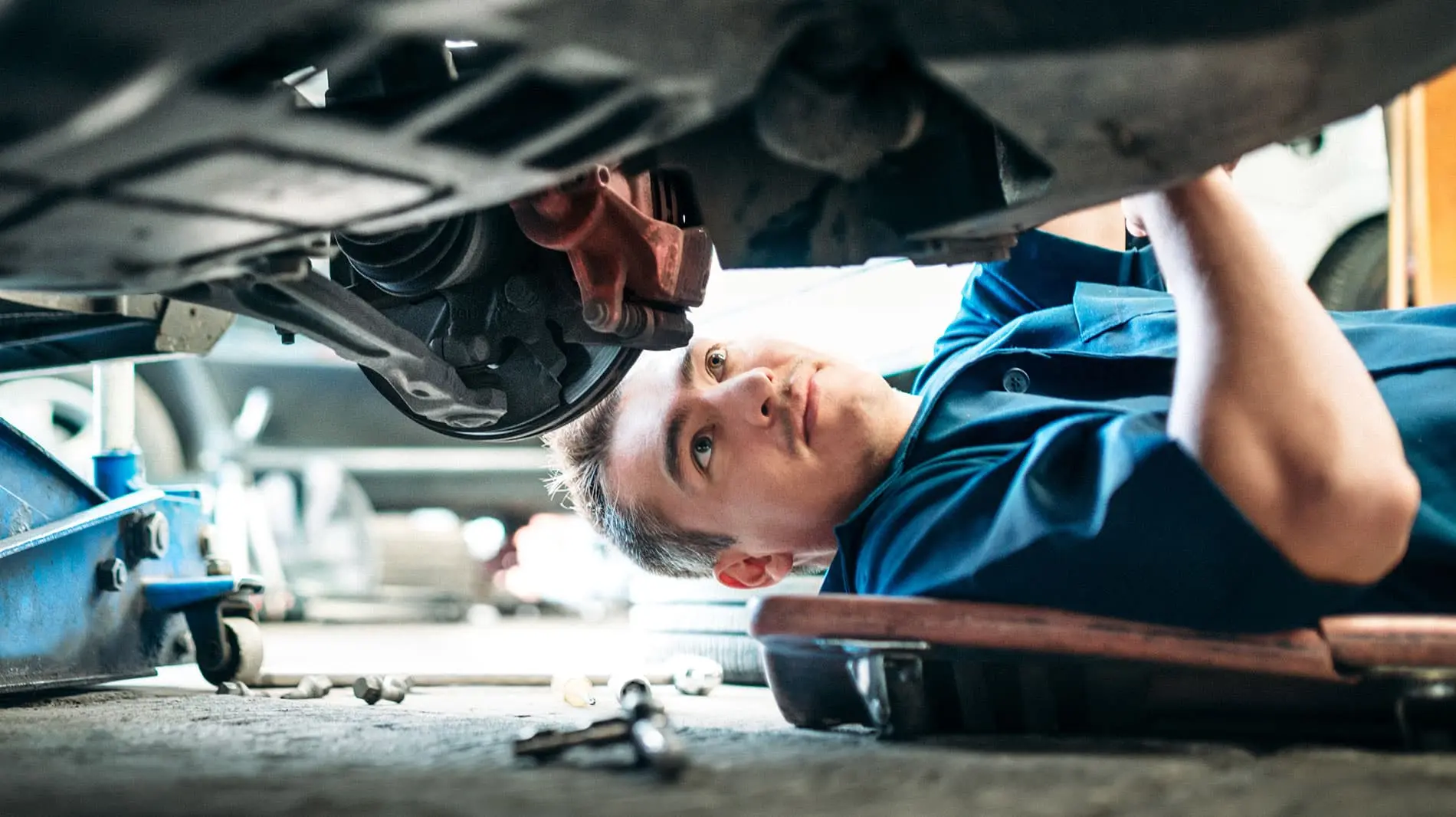
- Worn brake pads can damage rotors
- Leaking brake fluid can affect braking pressure
- Damaged calipers can cause uneven wear
- Faulty components can overwork the braking system
Addressing problems early is usually far less expensive than replacing multiple damaged parts later.
Brake Rotors Can Suffer Permanent Damage
Brake rotors provide the surface against which brake pads create friction.
When worn brake pads are ignored, metal-to-metal contact can occur.
This may lead to:
- Deep rotor grooves
- Rotor warping
- Excessive heat damage
- Reduced braking performance
In many cases, delayed repairs turn a simple brake pad replacement into a much larger repair involving rotor replacement as well.
Soft Brake Pedals Should Never Be Ignored
A brake pedal that feels soft, spongy, or unresponsive is often a sign of a serious issue.
Potential causes include:
- Air in brake lines
- Brake fluid leaks
- Master cylinder problems
- Hydraulic system faults
These issues can significantly reduce braking performance and increase the likelihood of brake failure.
If your brake pedal feels different than usual, immediate inspection is recommended.
Brake Fluid Leaks Can Create Dangerous Situations
Brake fluid plays a crucial role in transferring force from the brake pedal to the braking system.
A leak can reduce hydraulic pressure and compromise braking effectiveness.
Common warning signs include:
- Fluid beneath the vehicle
- Soft brake pedals
- Brake warning lights
- Reduced stopping power
Because brake fluid leaks directly affect vehicle safety, they should always be treated as urgent repairs.
Unusual Brake Noises Often Signal Trouble
Many drivers ignore brake noises for weeks or even months.
However, sounds such as:
- Squealing
- Grinding
- Scraping
- Clicking
Are often early indicators of wear or component damage.
The longer these sounds are ignored, the greater the risk of more extensive repairs becoming necessary.
Older Batteries Are More Vulnerable to Weather Damage
As batteries age, their ability to cope with temperature extremes declines.
An older battery may still function normally under ideal conditions but struggle when exposed to:
- Summer heatwaves
- Cold winter mornings
- Rapid temperature changes
This is why batteries over three years old should be monitored more closely, especially during seasonal transitions.
Brake Vibrations Can Indicate Rotor Problems
If your steering wheel or brake pedal vibrates while braking, the issue may involve warped brake rotors.
Brake vibrations can affect:
- Vehicle control
- Braking consistency
- Driver confidence
- Overall safety
Prompt brake maintenance can often prevent further rotor deterioration and restore smooth braking performance.
Dashboard Brake Warning Lights Require Immediate Attention
Modern vehicles are equipped with warning systems designed to detect brake-related faults.
A brake warning light may indicate:
- Low brake fluid
- Worn brake pads
- Hydraulic system issues
- Brake sensor faults
Ignoring these warnings can allow serious problems to develop unnoticed.
Professional diagnostics should be arranged as soon as a brake warning light appears.
Unsafe Driving Conditions Increase Accident Risks
The most serious consequence of delaying brake repairs is compromised road safety.
Faulty brakes can affect your ability to:
- Stop quickly
- Maintain vehicle control
- React during emergencies
- Drive safely in adverse conditions
When braking performance is reduced, the risk of collisions increases significantly.
No repair cost is worth compromising the safety of yourself, your passengers, or other road users.
Your Vehicle Could Eventually Become Undriveable
Many brake problems worsen gradually before reaching a critical stage.
Without proper repairs, you may eventually experience:
- Severe grinding
- Brake failure
- Hydraulic system failure
- Unsafe stopping performance
At this point, the vehicle may become unsafe or illegal to drive until repairs are completed.
What could have been a simple maintenance issue may turn into a major repair and significant inconvenience.
The Importance of Regular Brake Safety Checks:
Routine brake safety checks help identify problems before they become dangerous.
Professional inspections can assess:
- Brake pad thickness
- Rotor condition
- Brake fluid levels
- Hydraulic performance
- Caliper operation
- Overall braking efficiency
Regular maintenance not only improves safety but can also reduce long-term repair costs.
How a Mobile Brake Mechanic Can Help?
One of the easiest ways to stay on top of brake maintenance is by using a mobile brake mechanic.
Rather than taking time out of your day to visit a workshop, Eddie the mobile mechanic can inspect and repair your brakes at your:
- Home
- Workplace
- Business premises
Mobile brake services commonly include:
- Brake inspections
- Brake pad replacement
- Rotor assessments
- Brake fluid checks
- Brake safety checks
- General brake repairs
This convenient approach allows issues to be addressed before they become major safety concerns.
Conclusion: Small Brake Problems Can Become Serious Safety Risks
Brake issues rarely improve with time. What starts as a minor squeal, vibration, or warning light can quickly develop into a much more serious problem that affects your vehicle’s safety, reliability, and repair costs.
Delaying brake repairs doesn’t just increase the likelihood of expensive component damage—it can also compromise your ability to stop safely when it matters most. Reduced braking performance, longer stopping distances, and unexpected brake failures can place you and other road users at unnecessary risk.
Regular brake maintenance and prompt attention to warning signs are essential for keeping your vehicle safe and roadworthy. The sooner a brake issue is identified, the easier and more affordable it is usually to repair.
If you’ve noticed unusual brake noises, warning lights, vibrations, or changes in braking performance, don’t wait for the problem to worsen. Contact The Mobile Mechanic today for professional brake inspections, repairs, and safety checks delivered directly to your location across Melbourne.
Frequently Asked Questions?
Can I keep driving if my brakes are squealing?
What causes a soft brake pedal?
Are grinding brakes dangerous?
How often should brake safety checks be performed?
Can worn brake pads damage rotors?
Why is my steering wheel vibrating when I brake?
Can a mobile mechanic repair brakes?
Is delaying brake repairs expensive?
Book Your Service Online
Booking your service is quick and hassle-free. Share your details and our mobile mechanic will reach out to schedule a convenient time and get your car back on the road without delay.
0490 093 242
Call Us
Info@eddiethemobilemechanic.com.au
Send Email
All Suburbs in Melbourne
Address